

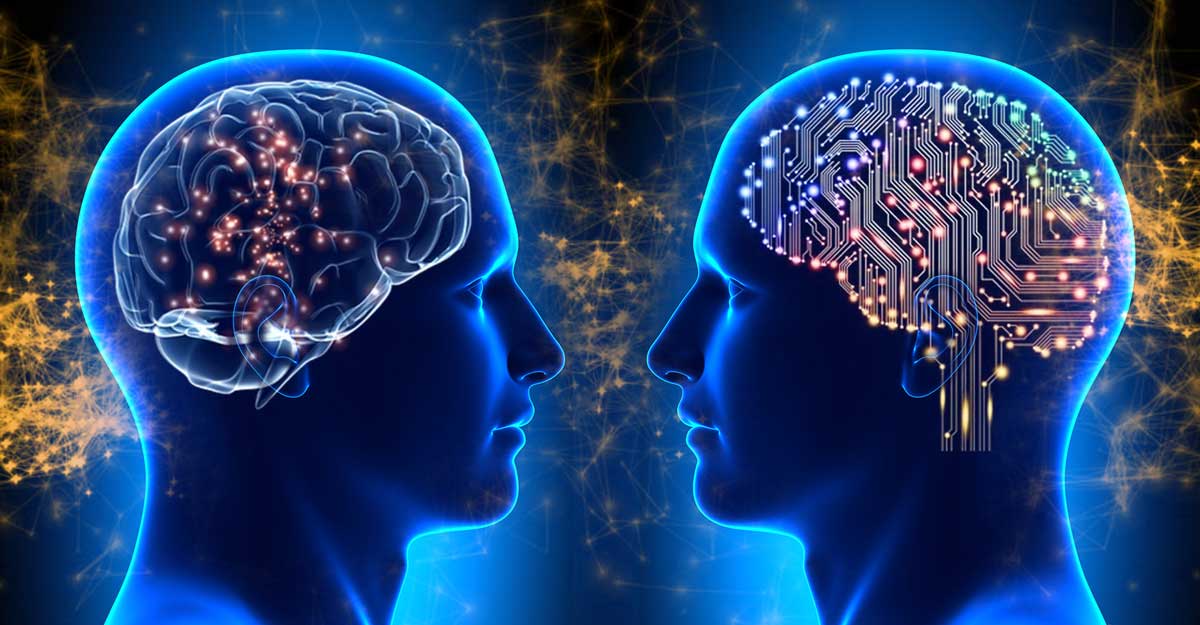
Neuro-Linguistic Programming (NLP) explores the powerful relationship between our neurology, language, and behavior. Simply put, NLP helps us understand how the words we see, hear, think, and speak influence our emotions, beliefs, and actions—and how those patterns shape our lived experience.
“Neuro” refers to how our nervous system processes experience through thoughts, feelings, and sensory input.
“Linguistic” reflects the language we use internally and externally to describe and make meaning of our world.
“Programming” points to the habitual patterns that are often unconscious, yet guide how we respond, react, and change.
For coaches, holistic professionals, healers, educators, and facilitators, NLP offers a profound framework for understanding how people communicate, process information, and create meaning.
Connection Before Change
Professionals trained in NLP develop heightened awareness and presence. Through observation, listening, and subtle mirroring, they learn how to meet others where they are… creating the foundation of trust necessary for meaningful transformation.
This skillset allows practitioners to connect authentically, sense what is occurring beneath the surface of conversation, and respond with clarity and compassion. When a client feels truly seen, heard, and understood… without judgment… they naturally become more open to growth and change.
In the hands of a skilled professional, this is never about manipulation; it is about attuned connection.
Trained Empathy and Conscious Communication
NLP cultivates what might be called trained empathy—the ability to recognize how someone is feeling, sensing, and processing in real time. This awareness allows professionals to guide conversations more skillfully, helping clients shift habits, beliefs, and internal dialogue.
Because many coaches and holistic practitioners are not therapists, trust becomes the essential bridge. NLP provides tools that support gentle, respectful change by working with language, imagery, and awareness rather than force or analysis.
Honoring Individual Learning Styles
One of NLP’s greatest strengths is its respect for individual differences. People process the world in different ways—visually, audibly, kinesthetically, or through internal dialogue. NLP teaches professionals how to recognize these preferences and adjust communication accordingly.
A kinesthetic person may respond best to a slower pace and emotionally grounded language, while a visual person may engage more fully with faster pacing and imagery-rich descriptions. Matching tone, rhythm, and expression helps maintain rapport and keeps communication flowing naturally.
Seasoned practitioners often use a client’s own words to gently redirect thought patterns… an approach that becomes even more effective with NLP awareness.
Ethics, Intention, and Influence
NLP is widely used by leaders, speakers, educators, and influencers. You may recognize elements of NLP in motivational speakers such as Tony Robbins, who skillfully engage large audiences and inspire positive change.
As with any powerful tool, intention matters. NLP can be used to influence, persuade, or control—and when guided by integrity and service, it becomes a force for empowerment, clarity, and good.
Everything we do in life carries intention. When the intention is to support growth, healing, and conscious choice, NLP becomes a beautiful ally and powerful tool.
A Lifelong Practice
I have been a student and practitioner of NLP since the 1990s. Over the years, and especially through teaching and mentoring others, I have come to deeply appreciate how foundational NLP skills are… in professional practice as well as in everyday life experiences and relationships.
NLP has enhanced my work, my communication, and my understanding of human potential. I encourage coaches, holistic practitioners, and conscious professionals of all kinds to explore NLP as a way to deepen connection, expand effectiveness, and serve with greater awareness.
For more information explore here NLP Empowerment Training program.
Words matter. Awareness matters. Intention matters.
— Lois Hermann